
Sourcing · Aggregation · Bulk Export-Ready Supply
We buy your harvest in bulk — at a fair, agreed price.
SlovenAgroGroup imports agricultural produce in bulk: sesame seeds, groundnuts, peanuts, rare nuts and non-perishable cereals. We work hand-in-hand with individual farmers, SACCOs and cooperatives — transparent grading, clear contracts, on-time payment.
What we do
Bulk buyers who start at the farm gate.
We aggregate large, consistent volumes of non-perishable produce and move it into regional and international supply chains. Instead of going through layers of middlemen, we contract directly with the people who grow it.
01
Direct farmer sourcing
Individual growers and smallholder groups sell to us at agreed, published grade prices — openly negotiable on volume and quality, with no surprise deductions.
02
SACCO & cooperative contracts
We sign seasonal offtake agreements with SACCOs and cooperatives so members know their volume is sold before they harvest it.
03
Grading, drying & storage
Moisture testing, sorting and warehousing at our hubs, so your consignment holds its quality — and its value — until shipment.
04
Bulk logistics
Truck consolidation, jute and PP bagging, container loading and documentation handled end-to-end by our operations team.
05
Published, negotiable prices
Our offer price per kg is published in USD on every product card. It can be negotiated upward based on your volume and quality, then written into your contract.
06
Payment on delivery terms
Agreed payment windows per contract — mobile money, bank transfer, or cooperative account settlement.

How a deal works
From your proposal to payment in full.
We are based in Slovenia and buy from overseas suppliers under a Modified FCA Port Terminal Agreement. The price on every card is our offer — a firm starting point that can be negotiated based on the volume you can supply and the quality you deliver.
- 1. Submit a proposal with your product, volume and condition (takes ~3 minutes).
- 2. We review and accept, then send you an official contract covering product, grade, volume and terms.
- 3. You book container space for storage before dispatch and take the goods to the port.
- 4. At the port our agents verify everything against the contract, with you or your agent present.
- 5. You are paid in full at the port — then the goods are dispatched to Slovenia.
Products we buy
Currently sourcing
Partnerships
Selling as a group? You'll get better terms.
Cooperatives and SACCOs that aggregate member produce qualify for seasonal offtake contracts, advance grading support and priority collection scheduling.

Catalog
Products we buy in bulk
→ Visit the Education Centre for exactly how to prepare, pack and document each product before the port.
Non-perishable seeds, nuts, cereals and pantry staples. Our offer price is shown in USD on every card — that is our offer, and it can be negotiated based on the volume of product and the quality you deliver. All purchases are made under our Modified FCA Port Terminal Agreement, with full payment released at the port of origin. Minimum volumes are indicative; smaller lots are welcome through a cooperative or SACCO.
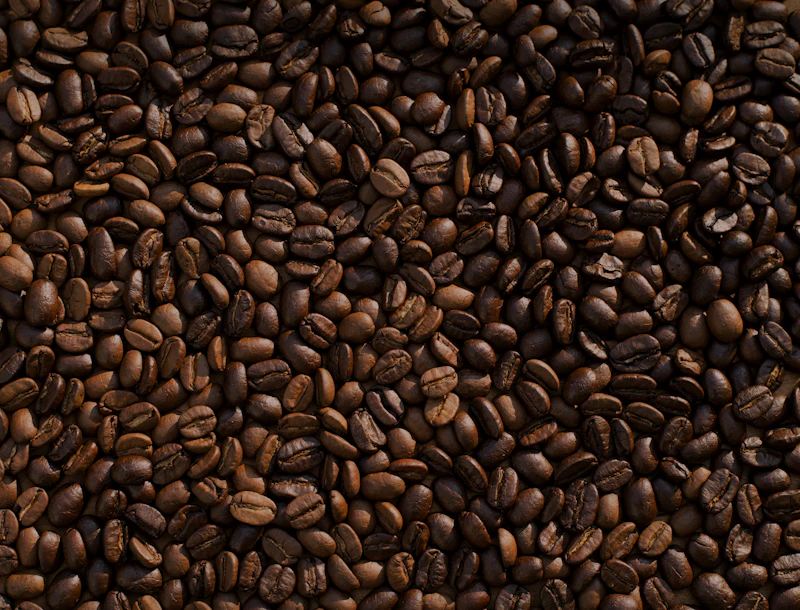
What we buy, in the field and in the bag




Pricing
What we pay, per kilogram
Every product we buy has a published offer price in USD per kg. That price is our offer and it can be negotiated based on the volume you can supply and the quality you deliver.
Offer prices last reviewed —
We publish an offer price per kg for every product we buy. That price is our offer, not a take-it-or-leave-it figure — it can be negotiated based on the volume of product you can supply and the quality you deliver. Whatever we agree is written into your contract and paid in full at the port of origin, with no commission, no agent fee and no late deductions taken out of it.
01
You know the price before you start
The published offer price for your product is your starting figure, so you can work out your total value before you harvest or bag a single kilo — then discuss it with our sourcing desk based on your volume and quality.
02
Paid in full at the port of origin
Once your container clears export customs and passes inspection at the origin terminal, we transfer 100% of the contract value to you — before the container is loaded onto the vessel.
03
What is deducted
Nothing by us. No commission, no agent fee, no quality discount after the fact. Under our terms you carry your own costs to the origin terminal — those are listed in full in the contract terms below.
04
Volume and premium grades earn more
The published price is our standard offer and it is open to negotiation on two things: volume and quality. Large consistent volumes, and lots that grade as premium — top purity, moisture well under target, clean lab results, consistent size and colour — earn a higher price per kg agreed with you on a contractual basis. See how we grade quality →
Full published price list
Our offer price per kg, and the value of a 10-tonne lot — for every product we buy. These are offers and can be negotiated on volume and quality.
Reviewed — · next review —
| Product | Our offer price (USD/kg) | Value of 10 t (USD) |
|---|
Prices are quoted at your port of origin terminal. They are our offer and remain open to negotiation on volume and quality — the agreed figure is confirmed in writing in your contract before anything moves.
What your price is based on


The process
From accepted proposal to payment in full
We buy under a Modified FCA Port Terminal Agreement. Below is every stage, every clearance and every document, in the order it happens.
We buy under a Modified FCA (Free Carrier) Port Terminal Agreement. In plain terms: we choose the shipping line, you make the booking with them and deliver to the origin terminal, then we inspect and pay you 100% in full — before the container is loaded onto the vessel. Every stage below, including the documents, is written into your contract before anything moves.
Stage 1 · Contract, carrier nomination & container booking
Once our sourcing desk accepts your deal, we issue an official purchase contract setting out product and grade, volume, our offer price per kg in USD, total contract value, packaging and moisture specification, the port of origin, the inspection window and the payment condition.
We select the freight forwarder and shipping line based on ocean rates and routing, then introduce that forwarder to you. You communicate directly with our nominated forwarder and physically book the container space — which keeps the timing of loading at your own facility under your control.
Documents at this stage: Proforma Invoice (you issue it to open the order details) · Shipping Instruction (we issue it to you with the nominated forwarder's contact details) · Booking Confirmation (the shipping line issues it to you with the booking reference, container release order and vessel cut-off dates).
Stage 2 · Inland transport to the origin terminal
You bring the empty container to your store or facility, load the cargo, and move the packed container to the origin port terminal using your own trucks and at your own cost. You carry all costs and risks during this domestic journey.
This is the stage that protects your payment. The consignment must already be fully dried, cleaned, sorted, correctly bagged and exactly at the grade, moisture and volume in your contract before it leaves for the terminal. Correcting cargo at the port is slow and expensive.
Documents at this stage: Commercial Invoice & Packing List (you draft them with exact contents, weights and values) · Inland Bill of Lading or Waybill (your driver's legal authority to move the goods to the terminal) · Verified Gross Mass (VGM) Certificate (mandatory — you confirm the exact weight of the packed container before port entry).
Stage 3 · Export customs clearance
Before the cargo can be inspected or loaded, it must legally pass through your country's customs authority. You appoint a licensed customs broker to handle it, and you pay the export duties, origin terminal handling charges (OTHC) and clearance fees.
Clearance required: Export Customs Clearance — the cargo is legally cleared for export by the origin government.
Documents at this stage: Export Customs Declaration (filed by your broker) · Export Licence (only if your goods are restricted at origin) · Certificate of Origin (proves where the goods were produced).
Stage 4 · Total port inspection and full payment
Once the container reaches the terminal and clears export customs, our agent or an independent third-party inspection team meets the cargo. The container is opened — or inspected by port scanning and sampling — to confirm the goods match the contract in totality. You or your appointed representative should be present so the result is witnessed and agreed on the spot.
Once we confirm everything is correct, we transfer 100% full payment to you — no staged retentions, no deductions that were not written into the contract, and all of it before the container is loaded onto the vessel.
Documents at this stage: Clean Report of Findings / Inspection Certificate (issued by the inspection agency confirming the goods are approved) · Telegraphic Transfer (T/T) Advice (our bank's proof that full payment has been sent to you).
Stage 5 · Vessel loading and title transfer
On receiving full payment, you instruct the shipping line to release the primary transport document and the port's cranes lift the container onto the ocean vessel. Risk and legal ownership transfer from you to us the moment the container is safely loaded on board.
Documents at this stage: Mate's Receipt (the ship's master confirms the container is safely on board) · Ocean Bill of Lading (the ultimate document of title — the line issues a Clean Shipped on Board B/L to you, and once paid you send it to us or initiate a Telex Release so we can legally claim the goods in Slovenia).
Paperwork trail
Every document, in order, and who issues it
Nothing here is a surprise. This is the exact document sequence from your first enquiry to the cargo being released onto the vessel — including which side sends each one. You are the seller; SlovenAgroGroup is the buyer.
Phase 1 Inquiry and quotation — the negotiation
We send this to you requesting your pricing and availability for the volume we need.
You send this back outlining estimated costs. It explicitly states the custom payment term: “100% Cash/Wire Transfer upon successful inspection at the port of dispatch.”
Phase 2 Finalizing the contract — the agreement
We formally accept your PI terms, which binds us to the order specifications.
The critical legal document. It explicitly sets out the Port Inspection and Payment Clause, detailing: the exact port location for inspection; how many days we have to inspect once the goods arrive at the port; the definition of a “passed” inspection; and the timeline for the immediate wire transfer after approval.
Phase 3 Production and packing — the readiness
Issued as the demand for payment, showing final actual quantities and total amount due. It stays pending until the port inspection passes.
Weights, dimensions and packaging breakdown, so we know exactly what to look for during the physical count at the port.
Proves the country of production — we need it for customs entry in Slovenia.
Phase 4 Inland transit to the port
You issue this to your trucking company. It authorises moving the cargo from your facility to the designated secure warehouse or holding yard at the port of dispatch for our inspection.
Phase 5 Port inspection and payment — the release trigger
You or your port agent formally notify us that the goods have arrived at the terminal or warehouse and are ready for physical review.
Issued by us or an independent third-party surveyor (for example SGS) at the port, and signed after checking quality, quantity and packaging. This document is what triggers payment.
Sent immediately upon issuance of a clean Inspection Certificate, proving full payment has been executed.
Issued once you confirm the funds have hit your bank account. This legally transfers ownership and authorises the port to load the goods onto the ship.
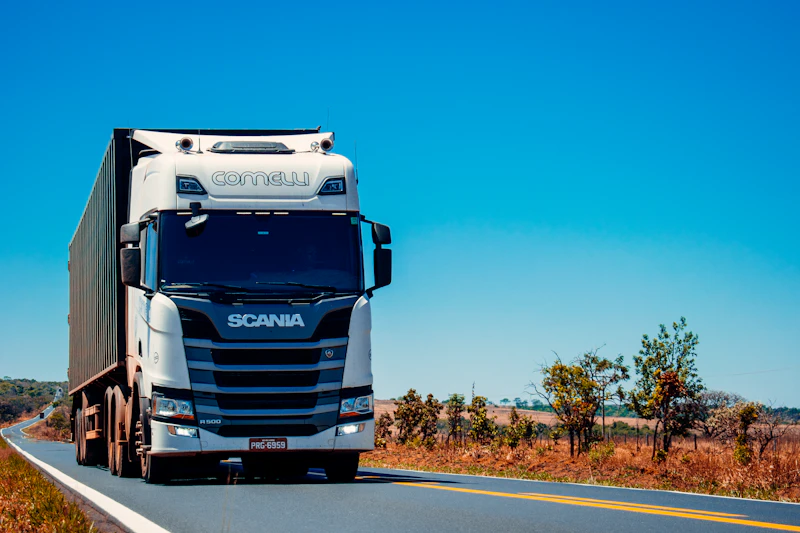
The journey your consignment takes



Quality assurance
How your consignment is checked
Four phases of inspection, from the documents we check before shipment to accredited laboratory testing. Knowing these in advance is the simplest way to clear inspection the first time.
High-volume commodities need a strict, organised check. This is exactly how your consignment is verified — from paperwork at origin to laboratory clearance in Slovenia. Knowing these steps in advance is the easiest way to pass them first time.
📋 Phase 1 · At origin
Pre-shipment document check
Before a container is opened, our compliance team cross-references your paperwork against Slovenian and EU food-safety entry requirements.
- Risk-transfer check. Under our Modified FCA terms, ownership passes the moment the container is safely loaded on board at origin. We check the Clean Shipped on Board Bill of Lading to confirm exactly when responsibility shifted.
- Phytosanitary certificates. The exporting country's agricultural authority must certify the cargo free from invasive pests — critical for Raw Cashew Nuts (RCN) and in-shell macadamias.
- Origin processing logs. Sorting certificates must match the order — for example confirming white and mixed hulled sesame really was cleaned and sorted, so nobody pays for dirt or stones.
🚢 Phase 2 · On arrival
Dockside & container integrity
When the container physically arrives, inspectors check the storage environment before touching the food itself.
- Seal verification. The high-security metal seal number on the container door is matched against the shipping manifest, proving the cargo was not tampered with at sea.
- The “sniff & visual” test. On opening the doors, inspectors check for a rush of hot air, chemical smells or a musty odour — mustiness indicates a leak that let ocean moisture in.
- Condensation check (“cargo sweat”). The container ceiling is inspected: on lines like white maize and soya beans, temperature swings at sea can drip moisture onto the top bags and cause localised rotting.
🔍 Phase 3 · Warehouse
Rapid sensory & physical testing
Once cargo reaches the warehouse, a composite sample is drawn from the front, middle and back of the shipment using a sampling spear.
- Moisture verification. A calibrated digital moisture meter checks your declared figures: sesame ≤ 8%, white maize ≤ 13.5%, edible dried beans ≤ 12%. Any batch over the limit is flagged for mechanical drying or rejected, because it will rot in storage.
- Defect & outturn grading. For cashews (RCN) a sample batch is cut open to calculate nut count and Kernel Outturn Ratio (KOR), confirming the shell holds a healthy, usable nut.
- Infestation & sifting. Sorghum, finger millet and barley samples are run through mesh sieves to check for live weevils, beetles or hidden insect larvae.
🧪 Phase 4 · Laboratory
Critical laboratory hold
Non-perishables can look perfect yet be legally unsellable due to invisible contamination. The shipment sits on a temporary administrative hold while an ISO-accredited lab processes samples.
- Aflatoxin screening. The most critical check for raw peanuts and groundnuts — aflatoxin is a toxic mould that thrives on them. The lab certifies the parts-per-billion level sits below the legal limit.
- MRL chemical testing. For green coffee, cocoa and dried tea bound for Slovenian roasters and factories, the lab checks Maximum Residue Limits for prohibited pesticides or storage fumigants.
- Microbiological clearance. Cultures are run on raw items such as sesame and spices to confirm they are negative for Salmonella and E. coli before entering manufacturing or retail lines.
Where each check happens

Contract terms
Modified FCA Port Terminal Agreement
Who pays for what, when risk and title transfer, the three clauses written into every contract, and who carries the cost if goods sit at the port.
Every SlovenAgroGroup purchase contract is agreed as a Modified FOB / Modified FCA (Free Carrier) Port Terminal Agreement — you are the seller, we are the buyer in Slovenia. Because this workflow blends aspects of different shipping rules, standard Incoterms alone would not protect either side, so the three clauses below are written explicitly into every contract.
Seller pays — you
Your side, up to on board the vessel
- Booking the container space with our nominated forwarder
- Inland transport of the packed container to the origin terminal, on your own trucks and at your own cost
- Verified Gross Mass (VGM) certification before port entry
- Your licensed customs broker and export customs clearance
- Export duties, origin terminal handling charges (OTHC) and clearance fees
- Export Licence (if restricted) and Certificate of Origin
- Pre-loading storage or demurrage if your cargo sits at the terminal because you missed your delivery window or did not clear export customs in time
Buyer pays — SlovenAgroGroup
Our side, from on board onward
- Selecting the freight forwarder and shipping line, and introducing them to you
- Ocean freight for the international voyage
- The independent inspection at the origin terminal
- Marine insurance (optional)
- Import customs clearance in Slovenia
- Inland transport after arrival at Koper
- Storage or demurrage at the origin terminal if your goods arrived on time and export-ready but our nominated vessel was late or did not accept the cargo on schedule
Written into every contract
The three clauses that make this binding
These appear word-for-word in your sales contract. You are welcome to show them to your own lawyer, cooperative board or bank before you sign.
Booking & Routing Clause
“The Buyer shall select the Freight Forwarder and Shipping Line for the international voyage. The Seller shall be responsible for coordinating with the Buyer's nominated forwarder to book the container space, and the Seller shall transport the goods to the Port of Origin at their own expense.”
Port Inspection & Payment Clause
“The Buyer retains the right to inspect the goods in totality at the Port of Origin terminal post-customs clearance. The final 100% balance payment shall be transferred by the Buyer immediately upon issuance of a successful inspection report, and prior to the loading of the container onto the vessel.”
Document Release Clause
“The Seller shall instruct the carrier to issue a Clean Shipped on Board Bill of Lading, which shall be released via Telex Release to the Buyer immediately upon verification of full payment clearance.”
Storage & demurrage
Who pays if goods sit at the port?
Whether you pay storage depends entirely on when and why the charge occurred. The rule is simple: whoever caused the delay pays for it.
You pay when…
The delay started on your side
- You delivered to the port after the agreed date and the cargo waited at the terminal.
- Export customs clearance was slow or incomplete on your paperwork.
- You missed the vessel cut-off date, so the cargo had to wait for the next sailing.
- The consignment failed our port verification and had to be re-dried, re-sorted or re-bagged before loading.
We pay when…
The delay started on our side
- Your goods arrived on time and export-ready, but our nominated ship was late.
- Our nominated vessel refused or could not accept the cargo on schedule.
- The sailing was rolled or cancelled by the line we nominated.
- Any storage that accrues after the goods are loaded on board.
From your yard to on board


About us
Built around the farmers who supply us
SlovenAgroGroup is a bulk agricultural importer and aggregator. We buy sesame, nuts, groundnuts and non-perishable cereals in volume, and we buy them from the people who actually grow them.
Our story
Volume, without squeezing the grower.
The bulk agro trade has always had the same weakness: the further produce travels from the farm, the less the farmer keeps. SlovenAgroGroup was set up to shorten that chain. We contract directly with individual farmers, SACCOs and cooperatives, publish our grade-based prices, and handle drying, grading, storage and logistics ourselves.
That means one price conversation, one contract, and one predictable payment window — for a smallholder with 800 kg of simsim or a cooperative with 400 tonnes of white maize.
- Written grade-and-price offers on every accepted proposal
- Moisture and purity testing at collection, witnessed by the seller
- Weighbridge records shared with cooperative and SACCO committees
- No deductions that were not on the signed offtake note

Mission
Fair, reliable demand
To give every farmer, cooperative and SACCO we work with a dependable bulk buyer — a clear price, an honest grade and a payment date they can plan their season around.
Vision
A shorter supply chain
To become the region's most trusted bulk importer of seeds, nuts and cereals, where farm-gate value stays with farming communities instead of leaking into brokerage layers.
Values
Transparency first
Published grade prices, witnessed weighing, shared records and contracts written in plain language. If we cannot explain a deduction, we do not make it.
Operations
From farm gate to Slovenia
Sourcing & contracting
Sourcing officers assess proposals, confirm volumes and sign offtake notes with farmers, SACCOs and cooperatives ahead of harvest where possible.
Port verification & grading
At the port of loading our agents test moisture, foreign matter and defect rates against the contract, in the seller's presence, before payment and dispatch.
Payment & dispatch
Suppliers are paid in full at the port once the consignment is confirmed, and only then is the container dispatched to Slovenia with full documentation.
Arrival checks in Slovenia
On discharge at Koper we run container-integrity checks, warehouse sampling and ISO-accredited laboratory clearance before goods enter manufacturing or retail lines.

Our desk
Who you actually deal with
Every proposal is handled by a named person, not a shared inbox. These are the four desks that will touch your consignment from first contact to payment.
Company & compliance
Our registration and credentials
Before you commit produce to any buyer you should be able to verify who they are. Here is everything a supplier, bank or freight forwarder normally asks us for.
Registered name
SlovenAgroGroup d.o.o.
Private limited company registered in the Republic of Slovenia.
Registered office
Ferrarska ulica 12, 6000 Koper
Slovenia — five minutes from the Port of Koper container terminal.
Laboratory partners
ISO 17025 accredited
All aflatoxin, Salmonella, moisture and MRL testing is run by independent accredited laboratories — never in-house.
Contract standard
Modified FCA Port Terminal
Written in plain language, with payment in full at the origin terminal before the vessel is loaded.
Shipment record Illustrative
What a completed contract looks like
These four examples show the shape of a typical SlovenAgroGroup contract — volume, grade outcome, timeline and what the supplier was paid. They are illustrative worked examples, not audited past shipments.
A cooperative that dried on racks and cleared premium
A 340-member cooperative delivered white sesame at 7.1% moisture and 99.6% purity after switching from ground drying to raised racks. The lot graded premium at inspection and the price per kg was renegotiated upward before loading.
An aflatoxin re-test that saved the contract
A groundnut lot failed its first aflatoxin screen. Instead of rejecting the consignment, our quality desk had the supplier re-sort and re-dry the affected bags, then re-tested. The second report passed and the shipment sailed nine days later.
A seasonal offtake signed before harvest
A washing station agreed volume and price with our sourcing desk three months ahead of picking. Because the price was fixed in writing early, the station could finance cherry purchases from members without a broker advance.
Three containers, one weighbridge record
A SACCO aggregated maize and sorghum from 190 members. Every weighbridge slip was shared with the SACCO committee the same day, so members could reconcile their own deliveries against the final payment without disputes.
These are worked examples written to show how our process handles real situations — premium grading, a failed lab test, a pre-harvest contract and a multi-member aggregation. Named, verifiable references will be published here as suppliers agree to be quoted.
Have produce ready this season?
Send us the details and our sourcing desk will come back to you with an offer.
Where we work


Supplier proposal
Submit a proposal
Two quick steps: tell us who you are, then describe the produce you have. Our sourcing team responds within 7 days.
✓
Price published & negotiable
Our USD offer price per kg is on every product card, and can be negotiated on volume and quality.
✓
Reply within 7 days
A sourcing officer reviews every proposal and comes back to you directly.
✓
Paid at the port
Payment in full once your consignment is verified, before it sails.
Who is submitting this proposal?
This helps us apply the right contract terms and collection schedule.
Track a proposal
Already submitted? Check where it stands
Enter the reference number we gave you (it looks like SAG-104822) to see the stage your proposal has reached.
Case-insensitive. You can type it with or without the dash.
Progress
Stages advance as our sourcing, quality and finance desks sign off. If a stage sits still longer than you expect, call the sourcing desk on +386 5 610 4820.

Education Centre
How to prepare, pack and deliver your produce
Pick your product below for the exact documents, drying targets, packing method, health precautions, port checklist — and exactly how we establish the quality of your seed. Follow this and your consignment clears our port inspection the first time, which means you get paid without delay.
Applies to every product
Six rules that protect your payment
01
Dry to the target
Moisture is the number-one reason consignments fail. Dry to the figure on your product card and test it — do not guess by feel.
02
Never dry on bare soil
Use tarpaulins, mats or a raised drying rack. Bare ground adds stones, soil, animal waste and mould spores.
03
No chemicals on food
Never store produce with pesticides, fertiliser, fuel or treated seed. Chemical residue is the fastest way to fail lab testing.
04
New, food-grade bags only
Clean new jute or PP bags. Never reuse fertiliser, cement or chemical sacks — even once.
05
Store off the floor
Stack on pallets or dunnage, away from walls, under a leak-free roof with air moving around the stack.
06
Reject mouldy lots
Never mix a mouldy, discoloured or insect-damaged batch into a good one. One bad sack can condemn a whole container.
Product-by-product
Choose your product
Every crop has its own risks, drying target and packing method. Select yours for a full checklist.
Before you travel
Common reasons consignments are delayed
Almost every delay we see at the port comes from one of these six things. Check them off and your cargo loads on schedule.
01
Moisture above target
Tested weeks earlier, not on loading day. Produce reabsorbs moisture in storage — always re-test before you leave.
02
Missing certificates
Phytosanitary, origin or laboratory reports not yet issued. Start paperwork the moment your contract is signed.
03
Wrong or reused bags
Old fertiliser or chemical sacks are rejected outright. Only new, clean, food-grade bags are accepted.
04
Weight mismatch
Bag count or net weight does not match the packing list and contract, so the terminal holds the cargo.
05
Live insects in the lot
Weevils or borers found at sieving. Sieve a sample yourself and treat with approved products only.
06
Missed vessel cut-off
Arriving after the cut-off means waiting for the next sailing — and the storage cost sits with the exporter.
Not sure how to prepare your product?
The Education Centre has step-by-step drying, packing and document guides for every product we buy.
Good practice, in pictures

Contact
Talk to our sourcing desk
Questions about grades, prices or collection points? Reach us directly — or send a full proposal and we'll come to you.
Head office
Ferrarska ulica 12
6000 Koper, Slovenia
Sourcing desk: +386 5 610 4820
Email: sourcing@slovenagrogroup.com
Hours: Mon–Fri, 8:00–17:00 CET
Import & inspection points
- Port of Koper — primary discharge port for all consignments
- Koper bonded warehouse — sampling, moisture and grading checks
- Ljubljana — compliance, contracts and supplier payments
- ISO-accredited partner laboratories — aflatoxin, MRL and microbiological testing
Send a quick message
Reach the right desk
Who to speak to
01
Sourcing desk
New proposals, offer prices, product specifications and grade questions. First stop for every new supplier.
02
Contracts & compliance
Contract wording, certificates, phytosanitary and laboratory documentation, and export paperwork queries.
03
Logistics & inspection
Vessel nominations, container bookings, port verification appointments and storage or demurrage questions.
04
Payments
Settlement timing at the port, bank and mobile-money details, and cooperative or SACCO account payments.
05
Cooperatives & SACCOs
Seasonal offtake agreements, group aggregation support and priority collection scheduling.
06
Quality disputes
Any disagreement over grade, moisture or defect results recorded at the port verification.
Common questions
Before you write to us
💰 Do I need to quote a price?
Not to begin with. Our offer price per kg is published on every product card in USD — tell us the volume you can supply and the condition it is in, and that price can then be negotiated based on your volume and quality.
📅 When am I paid?
In full at the port of loading, once our agent has verified the consignment against your contract and before the goods are dispatched to Slovenia.
📦 Is there a minimum volume?
Minimum lots shown on each product card are indicative. Smaller quantities are very welcome when aggregated through a cooperative, SACCO or farmer group.
📄 What if I lack a certificate?
Tell us early. Our compliance team will list exactly which documents your product needs and point you to the right authority — missing paperwork is the most common cause of delay.
🌧️ My produce failed moisture. Now what?
It can usually be re-dried and re-presented. Any storage cost caused by that delay sits with the exporter, so it pays to test before you leave for the port.
🌐 Which countries do you buy from?
We source from 14 countries across Africa, Asia and South America. If you can meet the grade and reach a port, we can usually contract with you.